Posted on 07/10/2026
Wedding flowers for Pitzhanger Manor ceremonies: a practical guide to elegant, venue-ready floral styling
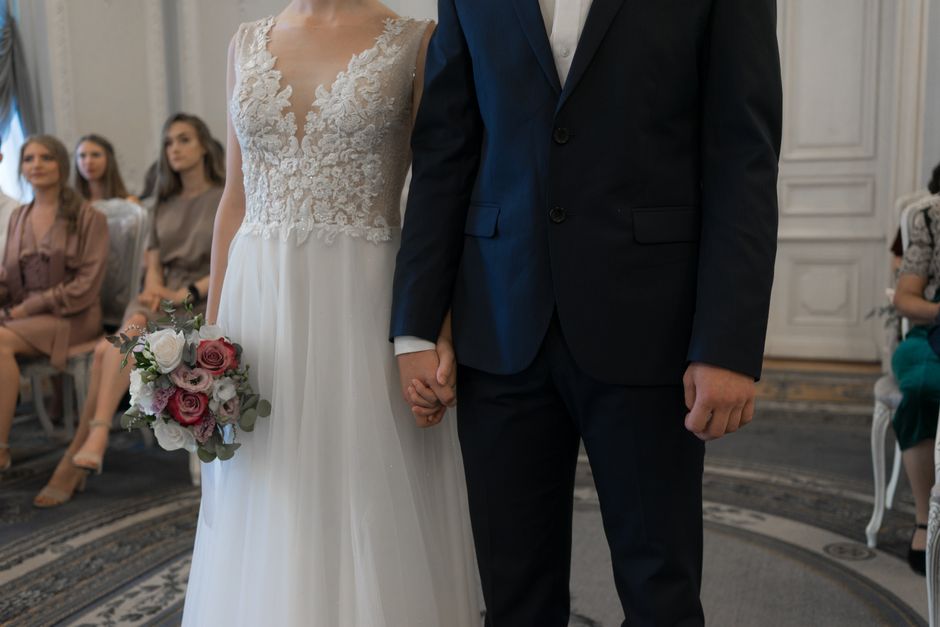
If you're planning Wedding flowers for Pitzhanger Manor ceremonies, you're probably after more than "nice flowers". You want arrangements that look refined in the house, suit the scale of the rooms, photograph beautifully, and still feel personal to you. Pitzhanger Manor has that special mix of grand architecture and intimate ceremony spaces, so the flowers need to work with the setting, not fight it. That's the sweet spot. Get it right and everything feels calm, considered, and a little bit magical. Get it wrong and, well, the mantelpiece suddenly looks like it's hosting its own small parade.
This guide walks through the style decisions, practical planning, and common pitfalls that matter most for a Pitzhanger ceremony. You'll find ideas for bouquets, buttonholes, aisle and table flowers, colour palettes, timing, and how to keep everything cohesive without overdoing it. There's also a checklist and a clear comparison table, because let's face it, wedding planning is lovely until the details start multiplying.
Why Wedding flowers for Pitzhanger Manor ceremonies Matters
Pitzhanger Manor is not a blank canvas. It has character, and a lot of it. The architecture, proportions, and period detail mean that flowers need to feel intentional, architectural, and well balanced. A loose, meadow-style look can be beautiful, but in a formal manor house it needs editing so it doesn't look like it has wandered in from a country field and lost its way.
That matters because ceremony flowers do several jobs at once. They frame the moment you say your vows, set the tone for the photographs, and help connect your outfits, table styling, and venue decor into one visual story. At a venue like Pitzhanger, flowers are also a way of softening the formality of the house. A few well-chosen arrangements can warm the whole room up.
There's a second reason this matters too: ceremony spaces are usually seen up close. Guests notice the quality of the blooms, the shape of the bouquet, and whether the flowers sit naturally in the room. At a venue with elegant interiors, small details show. A slightly too-large centrepiece, for example, can dominate the setting. A too-low arrangement may disappear in photos. The difference is subtle, but you really do feel it on the day.
Expert summary: For Pitzhanger Manor, the best wedding flowers are usually the ones that complement the building's style, keep sightlines clean, and feel beautiful from both the aisle and the camera angle.
In short: the flowers are not just decoration. They are part of the atmosphere.
How Wedding flowers for Pitzhanger Manor ceremonies Works
The process is more straightforward than many couples expect, but it does need a bit of structure. Most couples start by choosing a colour direction, then decide which pieces matter most: bridal bouquet, bridesmaid bouquets, buttonholes, aisle accents, registrar table flowers, and perhaps reception arrangements if the celebration continues in the same venue.
For a place like Pitzhanger Manor, it helps to work from the room backwards. Ask yourself: what do guests see first? What will be in the ceremony photographs? Where do you want the eye to go? Those answers shape the floral plan more effectively than just picking favourite flowers one by one.
In practice, the work usually falls into these stages:
- choosing a style direction, such as romantic, classic, contemporary, or softly seasonal
- deciding your main flowers and supporting flowers
- matching scale to the room
- planning how flowers will be moved from ceremony to reception, if needed
- confirming timings, delivery, and set-up access
You may hear florists talk about "mechanics" or "foam-free design". In plain English, that just means how the flowers are held together and supported. Some designs use reusable structures or vessels; others rely on floral foam. The right approach depends on the shape of the arrangement, sustainability preferences, and what the venue allows. At Pitzhanger, it's sensible to keep the set-up tidy and reliable, because old houses do not appreciate chaos. Fair enough.
If you're ordering from a florist, it also helps to look at the wider style families available, not only the wedding-specific items. Sometimes a bouquet or colour palette from the broader collection can inspire the ceremony look. A florist browsing page such as luxury flowers can be useful when you want a more elevated finish, while white flowers or mixed-colours arrangements can help you refine your palette before you settle on the final design.
Key Benefits and Practical Advantages
The right floral scheme does more than look pretty. It solves a few real wedding-day problems too.
- It creates visual unity. Your bouquet, ceremony table, buttonholes, and any reception flowers can all feel like part of the same story.
- It improves photographs. Flowers help frame faces, soften hard lines, and add depth in images that might otherwise look too formal.
- It suits the venue. Pitzhanger Manor has enough presence already. Good flowers enhance that presence rather than competing with it.
- It helps guests feel the mood. Colour, texture, and scent all shape the emotional tone of the room.
- It gives you a personal signature. A wedding flower plan can reflect your season, dress style, or heritage without shouting about it.
One practical advantage is flexibility. If your ceremony space is modest in size, you can still make a strong impact with a few carefully placed pieces: a bouquet, two pedestal-style designs, buttonholes, and perhaps a table arrangement. You do not need to cover every surface. In fact, restraint often looks better in a heritage venue.
Another plus is that wedding flowers can be adapted around budget. Not every arrangement needs premium focal blooms. A clever florist can mix statement flowers with supporting stems and foliage to create a full, polished look. That's where experience really pays off. Honestly, a smart composition often beats a big spend.
Who This Is For and When It Makes Sense
This topic is relevant if you're getting married at Pitzhanger Manor and want floral styling that feels tailored rather than generic. It's especially useful if any of the following sound familiar:
- you want a ceremony look that suits a period venue
- you're unsure how much floral decor is enough
- you want your flowers to photograph well without overpowering the room
- you're balancing elegance with budget
- you need flowers that can move from ceremony to reception with minimal fuss
- you want a wedding florist who understands classic London venues and tighter set-up windows
It also makes sense if you're still deciding on your overall look. Sometimes couples begin with a dress, a suit, or even the venue itself, then build the flowers around that. That's not backwards at all. In fact, it often leads to a more coherent result.
If you are working with a planner or coordinating yourself, this kind of guidance is useful early on. Flowers are easiest to get right when they are part of the plan from the beginning, not an afterthought squeezed in after everything else is fixed.
Step-by-Step Guidance
Here is a practical way to plan wedding flowers for a Pitzhanger Manor ceremony without getting overwhelmed.
- Start with the room. Look at ceremony photos of the space, note the light, ceiling height, and how much open floor you want to keep. High ceilings can handle slightly taller arrangements; smaller rooms usually need more refined pieces.
- Choose a floral mood. Romantic and airy? Crisp and modern? Classic ivory with green foliage? Make one decision early, because everything else becomes easier after that.
- Pick a core palette. Two to four colours is usually enough. A tight palette feels more luxurious than a scattered one. For example, white, blush, and soft green is a very safe and elegant direction for a manor house.
- Decide on key items first. Bridal bouquet, buttonholes, and ceremony focal flowers should be prioritised before anything decorative and nice-to-have.
- Work out scale. A large bouquet may look stunning in the hand but too heavy for a long aisle walk. A table arrangement can be beautiful and still let people see the registrar or celebrant.
- Check delivery and access details. Heritage venues often have specific load-in rules or time slots. Confirm those early so your florist can plan properly.
- Think about after-use. Can the ceremony flowers be moved to the reception? Can bridesmaid bouquets become table pieces later? This is one of the easiest ways to stretch value.
A helpful way to picture it is this: the flowers should feel like they were always meant to be there. Not added on top, but quietly supporting the scene. You will notice the difference immediately when you step into the room. Everything settles.
If you are comparing wedding products, the dedicated wedding collection can help you narrow things down. The weddings collection is a natural starting point, while items like bridal bouquets, bridesmaid bouquets, buttonholes, and table arrangements can be paired together into a full ceremony plan.
Expert Tips for Better Results
These are the little things that make a wedding florist's life easier and your flowers look better on the day.
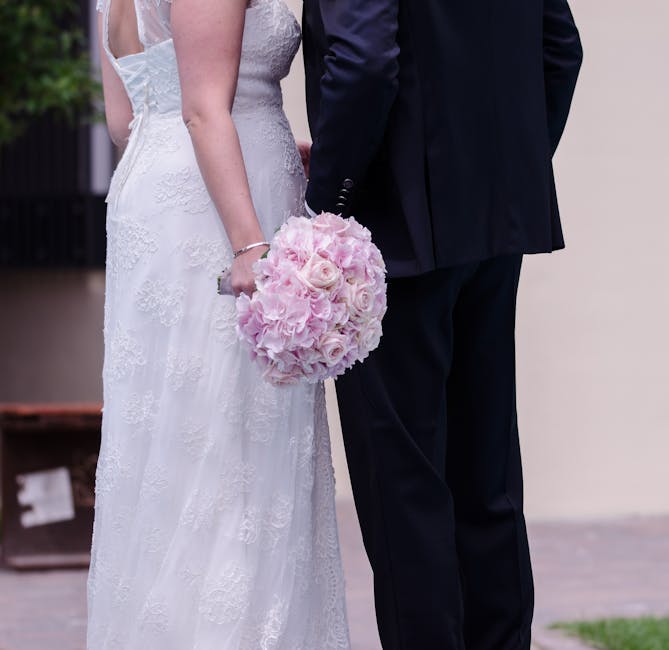
- Keep the bouquet slightly smaller if the dress has detail. Lace, texture, or a dramatic silhouette usually benefits from a bouquet that supports rather than competes.
- Use texture, not just colour. Roses, lisianthus, orchids, and foliage create different visual weights. That layering matters in a room with classical details.
- Choose flowers that hold up well. London transport, set-up timing, and indoor warmth can all affect freshness. A good florist will steer you toward sturdy stems when needed.
- Photograph the bouquet in daylight. If you can, ask for a quick daylight picture before the ceremony. Some whites are warmer, some blush tones are cooler, and it's useful to know.
- Use one standout focal point. One beautiful arrangement at the registrar table can feel more polished than four small pieces competing for attention.
- Plan for movement. If the ceremony and reception happen close together, choose arrangements that can be lifted and re-used without a fuss.
One small but important point: don't ignore scent. Strongly scented flowers can be lovely, but in a contained ceremony room they may feel overwhelming. That's especially true if guests are seated closely or if anyone is sensitive. A gentle scent is often enough.
And a tiny practical aside: always have a backup plan for buttonholes. They're small, yes, but they vanish with surprising speed when everyone is getting dressed in a hurry.
Common Mistakes to Avoid
Most flower mistakes are easy to avoid once you know what to look out for.
- Choosing flowers only by looks online. A bloom may be beautiful in a picture but wrong for the season, budget, or ceremony timing.
- Overfilling a heritage space. Large arrangements can flatten the room's elegance instead of enhancing it.
- Ignoring the walk from ceremony to reception. Heavy bouquets and awkward stands become a real problem if things need to be moved quickly.
- Mixing too many styles. Rustic, tropical, classic, and minimalist can all be great individually. Together? That's where things can go a bit sideways.
- Forgetting practical access. Loading, parking, and timing at a central London venue matter more than people expect.
- Leaving boutonnieres and corsages as an afterthought. These smaller pieces help the whole wedding party feel coordinated.
Another issue is colour mismatch. Ivory is not always ivory, and blush can go peach very quickly under indoor light. If your florist is building a full scheme, ask how the flowers will read in the room rather than in isolation. That one question can save you a lot of regret.
Truth be told, the most common problem is simply trying to include too much. There's a lot to be said for editing.
Tools, Resources and Recommendations
You do not need a complicated toolkit to plan your ceremony flowers well. What you do need is a few reliable reference points and a clear brief.
- Venue photos: Use images of Pitzhanger Manor itself, ideally from the exact room or ceremony setup you're using.
- Colour swatches: Fabric samples, invitation cards, or even a dress photo on your phone can help align shades.
- Floral inspiration boards: Keep them simple. A small number of strong references is better than twenty mixed ones.
- Wedding timeline: Delivery windows, ceremony time, and photo schedule all matter to flower freshness and setup.
- Product pages: Wedding-specific arrangements and matching pieces can help you understand what is available before you finalise the design.
For couples wanting to explore specific wedding pieces, useful starting points include bridal bouquets for weddings, bridesmaid bouquets, and buttonholes for the wedding party. If you want a fuller set, the wedding table arrangements page can help you think about ceremony and reception continuity.
If you're still refining the overall feel, colour-led categories can be useful too. White flowers feel timeless and clean. Mixed colours can feel more joyful and energetic. Luxury styles are often the right fit when you want the flowers to hold their own inside a grand room without looking heavy.
Law, Compliance, Standards, or Best Practice
For wedding flowers, the key issue is usually not legal compliance in a strict sense, but venue and business best practice. Pitzhanger Manor will likely have its own rules on access, timing, setup, candles, floor protection, and what can or cannot be attached to surfaces. Always confirm venue requirements directly and early. Heritage venues can be understandably careful, and that's a good thing.
From a florist's side, best practice usually includes:
- confirming delivery times in writing
- checking whether arrangements need freestanding containers or stands
- using designs that are safe around guests, fabrics, and historic interiors
- making sure any hired items are clearly labelled for collection
- being clear about substitutions if particular flowers are unavailable
If sustainability matters to you, ask how stems are sourced and whether the florist uses recyclable or reusable materials where practical. Many couples now prefer a lower-waste approach, and that can work very well in a venue like Pitzhanger where elegance comes from restraint more than excess.
Also worth noting: floral freshness and handling are part of quality. A good florist should be able to explain how flowers are conditioned, hydrated, transported, and kept looking their best. That's not just "behind the scenes" detail. It affects what reaches the venue.
Options, Methods, or Comparison Table
Choosing the right floral method is often about balancing impact, budget, and how much set-up space you have. Here's a simple comparison of the most common approaches for a ceremony at Pitzhanger Manor.
| Option | Best for | Strengths | Watch-outs |
|---|---|---|---|
| Hand-tied bouquet-led styling | Smaller, elegant ceremonies | Flexible, personal, easy to move, often budget-friendly | Can feel sparse if the room is very formal without supporting pieces |
| Classic ceremony arrangement set | Couples wanting a polished, traditional look | Looks cohesive in photos, frames the ceremony well | Needs accurate sizing so it doesn't overwhelm the space |
| Statement focal pieces | High-impact styling and luxury feel | Creates memorable visuals, strong aisle or registrar framing | Can become expensive quickly if used everywhere |
| Reuse-from-ceremony-to-reception plan | Budget-conscious or sustainability-minded couples | Good value, less waste, seamless visual flow | Needs precise timing and practical movers |
For many couples, the best answer is a blended one: a beautiful bridal bouquet, smart buttonholes, one or two ceremony arrangements, and then repurposed pieces later. That tends to feel balanced at a venue like Pitzhanger Manor.
Case Study or Real-World Example
Here's a realistic example based on the sort of brief many couples bring in.
A couple planning a late-spring ceremony wanted flowers that felt romantic but not overly soft. They had chosen a heritage venue, liked the building's clean lines, and wanted the room to feel warm in photographs without competing with the interior details. So the final direction was ivory, blush, and soft green, with a structured bridal bouquet, simpler bridesmaid bouquets, matching buttonholes, and two ceremony arrangements that could later be moved to the reception tables.
The key decision was scale. Rather than filling the room with lots of separate pieces, they chose a few arrangements with good shape and quality blooms. The bridal bouquet included roses and lisianthus for softness, while the ceremony pieces used more visible structure so they read well from a distance. It looked polished, calm, and easy on the eye. No drama. Which, for a wedding day, is lovely.
What made it work wasn't just the flowers themselves. It was the planning: confirming access times, making sure buttonholes were handed over before the ceremony, and keeping the palette tight. In the end, the room felt like it had been dressed rather than decorated. That's the difference.
Practical Checklist
Use this as a quick pre-booking and pre-wedding check for your ceremony flowers.
- Have you confirmed the exact ceremony room at Pitzhanger Manor?
- Do you know whether flowers need to be moved after the ceremony?
- Have you chosen a colour palette of two to four main tones?
- Do you know which items are essential and which are optional?
- Have you checked venue rules on setup, access, and any restrictions?
- Are your bouquets and buttonholes coordinated without being too matchy?
- Have you asked about substitutions in case a stem is unavailable?
- Do you know where the flowers will be placed during the ceremony?
- Have you considered whether scent level matters for your guests?
- Is there a plan for repurposing flowers later in the day?
Quick reminder: the best wedding flower plan is the one that looks effortless on the day, even if a lot of thought went into it beforehand. And usually, a lot did.
Get a free quote today and see how much you can save.
Conclusion
Wedding flowers for Pitzhanger Manor ceremonies work best when they are elegant, measured, and designed with the building in mind. The venue already brings personality, so your flowers should sharpen the mood rather than overwhelm it. A strong bouquet, well-chosen supporting blooms, and a few thoughtful ceremony pieces can do more than a dozen scattered arrangements ever could.
If you remember only one thing, make it this: start with the room, then build the flowers around the atmosphere you want. That approach keeps the decision-making calmer, the styling cleaner, and the final result much more satisfying. In a place as special as Pitzhanger Manor, that quiet confidence shows.
And when everything comes together, you notice it in a small moment - the room settles, the light catches the petals, and the whole day feels just a touch more complete.
Frequently Asked Questions
What style of flowers suits Pitzhanger Manor best?
Styles that feel elegant, refined, and well balanced usually work best. Think romantic whites, blush tones, soft greens, or a controlled mix of seasonal colours. The venue has strong character already, so the flowers should complement that rather than compete with it.
How many floral arrangements do I need for a ceremony there?
There's no one-size-fits-all answer, but many couples choose a bridal bouquet, bridesmaid bouquets, buttonholes, and one or two ceremony arrangements. If the space is smaller or you want a cleaner look, fewer but better-proportioned pieces often work very well.
Can ceremony flowers be reused for the reception?
Yes, often they can. This is one of the smartest ways to get more value from your floral budget. Just make sure the arrangements are designed to be moved easily and that the venue timeline allows enough time for relocation.
Should wedding flowers match the bridal bouquet exactly?
Not exactly. It's usually better for the whole set to share the same palette and style, while allowing the bouquet to have a little more detail or prominence. A bit of variation keeps the look natural and more expensive-looking, oddly enough.
What flowers are best for indoor London weddings?
Flowers that hold up well indoors and during transport are usually the safest choice. Roses, lisianthus, orchids, and many seasonal blooms can work beautifully. Your florist will also consider the venue temperature, light, and timing, which matter more than people think.
How early should I book wedding flowers for Pitzhanger Manor?
The earlier the better, especially if you want a specific florist or a more detailed floral scheme. Booking early gives you time to refine the palette, confirm the venue setup, and avoid last-minute substitutions.
Do I need large arrangements to make an impact?
No. At a venue like Pitzhanger Manor, impact often comes from proportion, quality, and placement rather than sheer size. A few strong arrangements can look far more elegant than lots of oversized pieces.
Are white wedding flowers always the safest choice?
White is classic and works beautifully in many ceremony settings, but it isn't the only safe choice. Soft blush, ivory, green, and even restrained mixed palettes can look stunning if they suit your outfits and the room.
What should I tell my florist before booking?
Share the venue name, ceremony time, room details if you have them, your colour ideas, guest count, budget range, and any flowers you love or dislike. If you have a dress photo or fabric swatch, bring that too. It makes a bigger difference than you'd expect.
How do I keep wedding flowers from looking too formal?
Introduce softer shapes, varied textures, and a palette with a little warmth. Even in a formal venue, you can add personality through bouquet shape, seasonal flowers, or a more relaxed mix of blooms. The trick is keeping it polished, not stiff.
Can I order wedding flowers if I'm still deciding on the final look?
Yes, but it helps to choose a broad direction first. A florist can guide you from there. If you know whether you want classic, romantic, contemporary, or seasonal styling, the final design becomes much easier to shape.
What's the biggest mistake couples make with ceremony flowers?
The biggest mistake is usually overcomplicating the plan. Too many colours, too many styles, or too many separate pieces can make the room feel busy. Simpler plans often look better, especially in a venue with architectural detail.